Sad news for northeast seniors as Peace Villa expansion cancelled
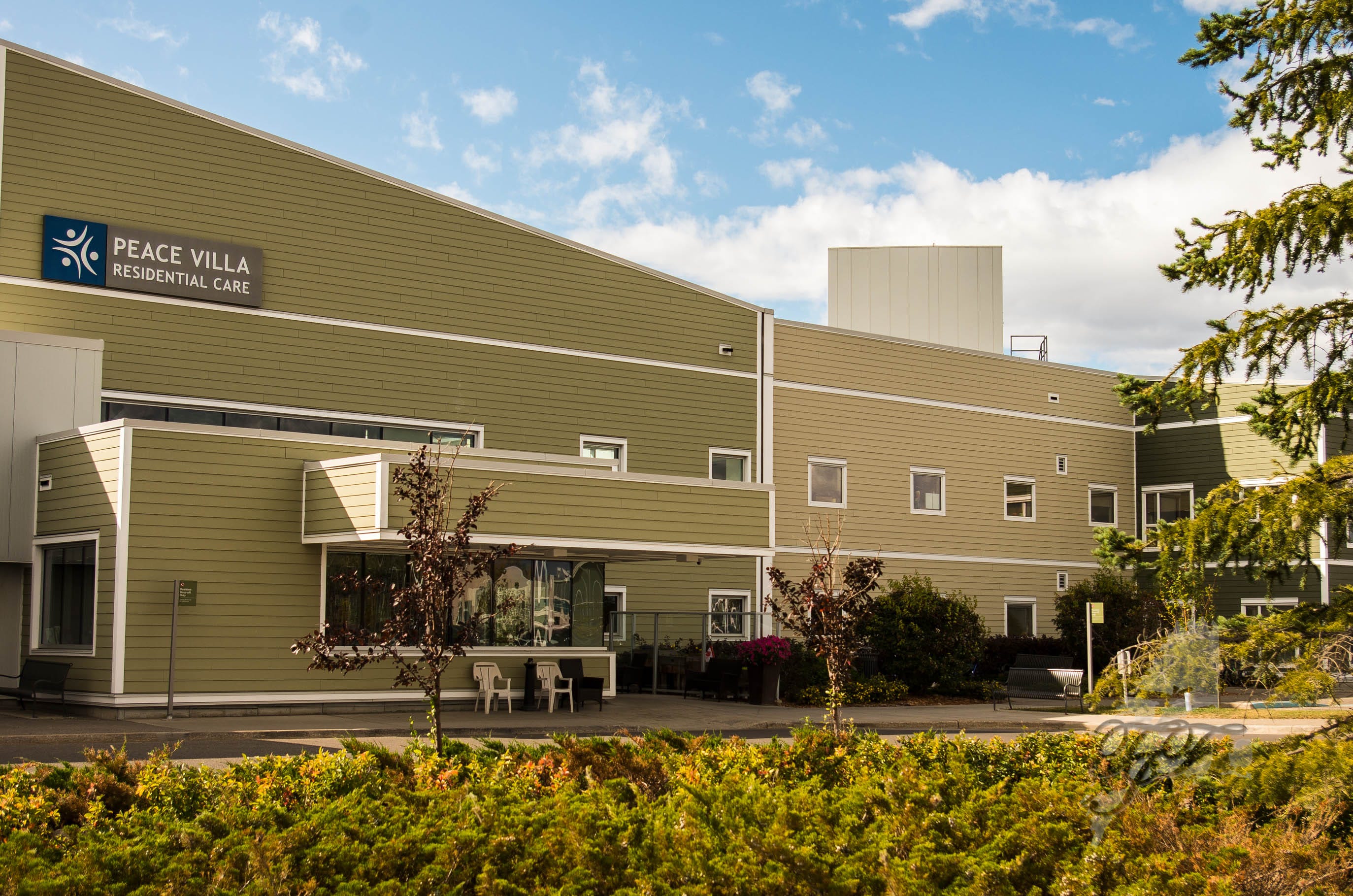
Seniors in northeastern British Columbia continue to be left out in the cold when it comes to access to long-term care, and the postponement of the Peace Villa expansion project has now essentially become a cancellation.
“[This is] sad news for sure,” Save Our Northern Seniors (SONS) president Margaret Little told The Broken Typewriter.
“It will have a devastating effect on the people who are working in the system, families waiting for a place for their loved ones, and staffing will continue to be a difficult area. Our wait list in every facility in the Northeast is lengthy and there are many people in the community who need a place to spend their days.”
Seniors’ Advocate Dan Levitt says seniors and their families are facing increasing difficulty accessing long-term care with long waitlists and limited options.
“Many are left navigating uncertainty with little clear information about timelines for placement. Other seniors are stuck in hospital beds waiting for long-term care placement even though they don’t need to access acute care services,” he said in an interview.
“The recent decision to postpone potentially cancel several long-term care projects including Peace Villa, is deeply concerning, especially given the fact of how urgently these spaces are needed, right across the region.”
Demand, he said, is already outpacing supply, and the new capacity at facilities like Peace Villa was expected to help stabilise a strained system.
The project’s changed status came to light in the Legislature on April 29, when Opposition Critic for Infrastructure Misty Van Popta pressed Minister of Infrastructure Bowinn Ma about reports that several long-term-care projects previously listed as delayed had been cancelled.
Ma described the Burnaby Hospital project as “re-paced,” Van Popta pointed out that Fraser Health had already called it cancelled. The minister didn’t directly confirm the status of the Fort St. John project.
In a written statement, Northern Health confirmed it is cancelling contracts related to the Peace Villa expansion. The health authority said it doesn’t expect to incur additional costs from the cancellation but added that “Northern Health and the Province remain committed to this project and work continues to drive down costs and deliver more long-term care for people in Fort St. John, and surrounding areas.”
Despite that commitment, Levitt says that the province’s long-term care bed expansion program doesn’t reflect the pace of population growth and the skills needed.
“We need government to act now. By investing in both long-term care capacity and the supports to help seniors stay at home longer. We need to expand home support. We need to build more assisted living, more overnight respite care, and daycare centers for providing essentially day, short-term, long-term care, and so that families are not left to manage this alone.”
There are over 7,000 people in the province waiting on long-term care, a number that Levitt says has increased 200 percent in the last six years. The time seniors are spending on waitlists has doubled in that time, with seniors now waiting as long as 10 months.
In Fort St. John, Little said that in January there were 74 people waiting to get into Peace Villa, with 15 of those currently residing in Fort St. John Hospital. Throughout the community there are as many as 300 people accessing the services provided through Better At Home, and a further 98 receiving Home Support.
“People aren’t getting the support they need at home, and it’s no longer safe for many of them or sustainable. It’s also putting more pressure on the hospitals where beds are being used by people who could be cared for better if they were in long-term care,” he said.
Family caregivers who aren’t trained to provide professional care are supporting people who should be receiving care from someone trained in elder care. Families and seniors who are doing the caregiving face significant physical, emotional and financial burdens because there’s not enough infrastructure – facilities or trained professionals – for senior’s care.
“Without building these long-term care homes, without having a provincial long-term care strategy, the situation will continue to worsen. We’ll have longer wait times. There’ll be fewer options for seniors and families.
“By postponing or cancelling these new developments, it’ll only widen the gap and increase pressure on hospitals, families, and the broader healthcare system.”
As Little told The Broken Typewriter in February following the budget announcement: “You can’t secure BC’s future by throwing the seniors off the bus. The seniors built this province, they spend money in this province, they’ve lived here for a long time – it’s not that we’re free-loading on the system, we give our share back to the province.”
