Lessons from Chetwynd mill fire spark new emergency resource agreement for Peace Region
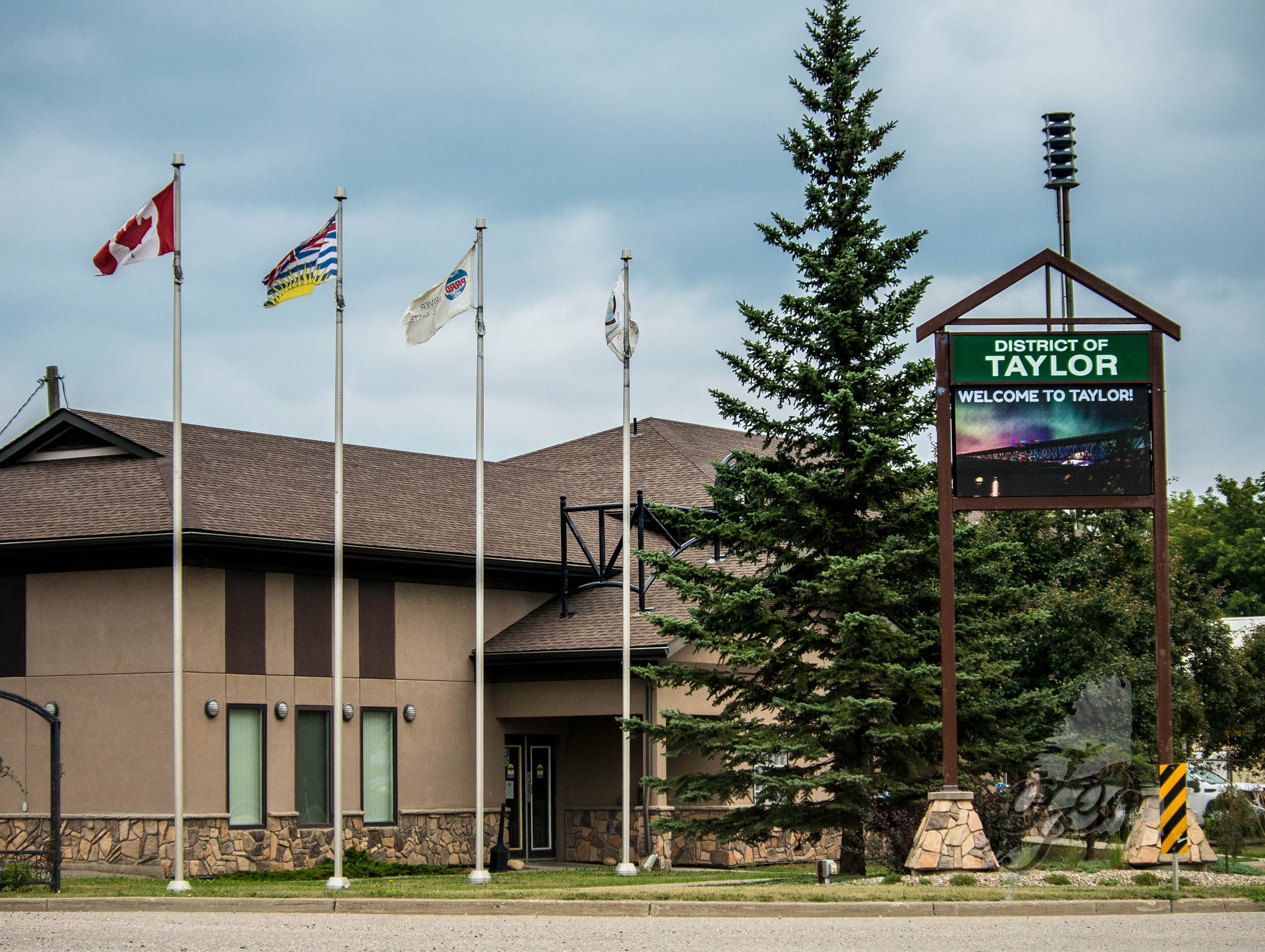
For the past three years, the District of Taylor’s Protective Services department has been working with other municipalities throughout the Peace region to develop a regional Major Event Mutual Aid Agreement.
While individual municipalities across Northeast B.C. already maintain standard mutual aid pacts, Byford noted that past regional disasters; such as the 2021 sawmill fire in Chetwynd, have highlighted the need for a specialized framework to handle extra-large events.
No single municipality can maintain sufficient resources for every emergency scenario, so participating communities have collaboratively developed the Peace Region Major Event Mutual Aid Agreement. Taylor’s Director of Protective Services and Fire Chief, Steve Byford presented the proposed agreement to the Committee of the Whole meeting on June 1.
“When it comes to a municipality asking for assistance, we’re all there wanting to do it, but have a lot of authorisations to acquire to make it happen, and that, in a time of need, can delay a response,” Byford said.
“This agreement fills in those gaps.”
In his report to Council outlining the agreement, Byford wrote that it would establish a “standardized process for requesting and deploying emergency resources during a Major Event.”
A “major event” is defined as an emergency situation which exceeds local response capacity and existing mutual aid agreements. This means all current mutual aid agreements a community already has in place must be utilised before any request under the proposed agreement.
The proposed agreement is designed to improve regional coordination, reduce delays in response deployment and strengthen emergency responses throughout the Peace Region.
This is mainly a fire protection initiative within municipalities, Byford said, and it isn’t something that comes up very often. In fact, the Chetwynd mill fire is the only time in his eight years in Taylor that such an agreement has been needed.
Crucially, the pact ensures that responding communities would never fully deplete their own local resources, leaving enough fire protection intact to secure their home fronts.
“That’s the priority, and all the layers in place to make sure we’re protected,” said Byford. “But where we can also offer that assistance to other municipalities in the region.”
The framework is nearly ready for the formal drafting phase. Over the next four to six weeks, the agreement will be presented to municipal councils across the region for feedback and eventual sign-off.
“When a municipality in our region needs help, they need it now,” noted Mayor Brent Taillefer.

