
From Junior High to Brain Science: The decades-long evolution of music in SD60
As SD60's band program evolves past its old junior secondary roots, an urgent push for early childhood music targets a critical developmental window
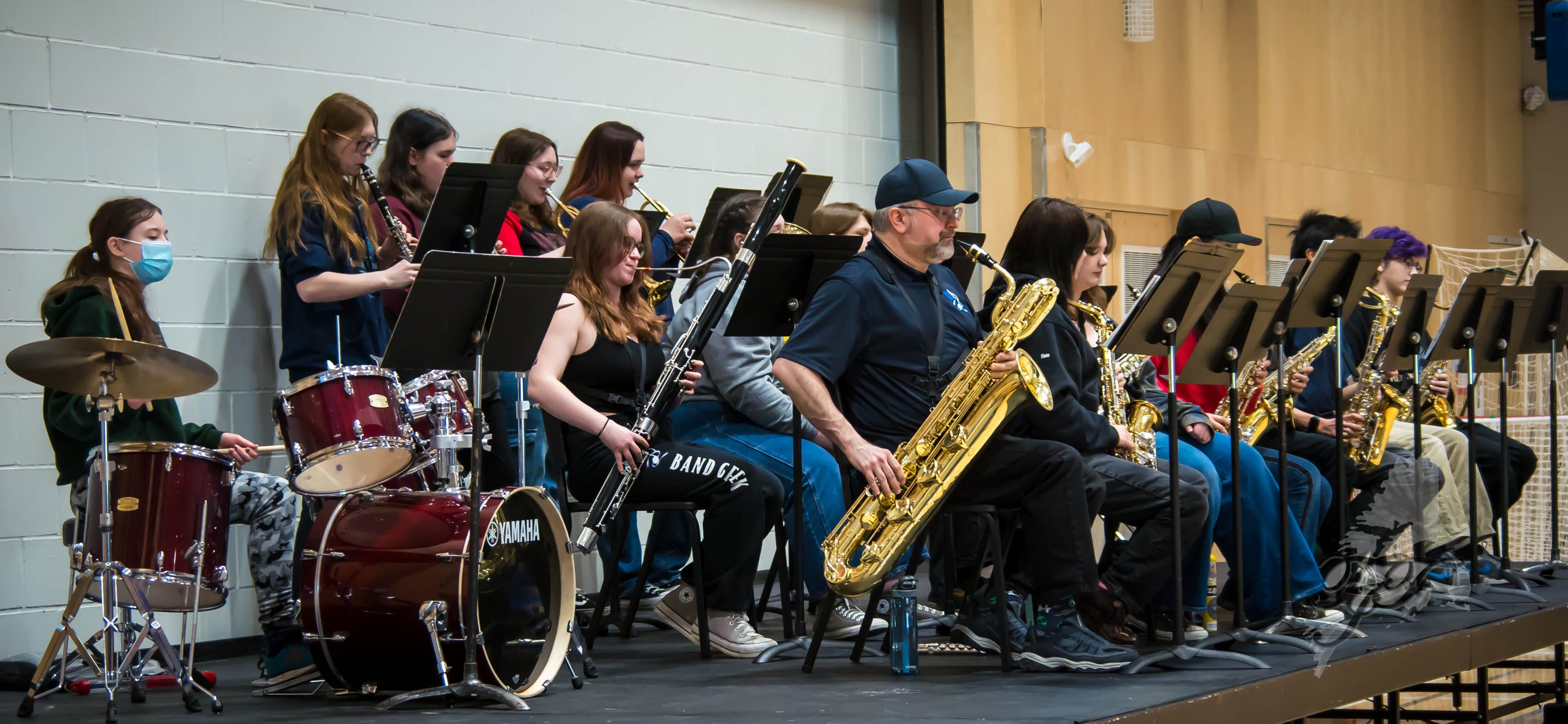
If Sabrina Brooks, School District 60’s band coordinator, could have one wish, it would be to have an elementary-trained music teacher in every elementary school in the District.
Over the years, while the District Bands have brought back awards from their trips to Nationals and other music competitions, Brooks told the SD60 Board of Trustees at their June 15 meeting that music education is not just about concerts, “although it’s super fun to hear the kids play songs you’ve heard of – you always come out to our concerts, and we appreciate that – but it’s one of the few activities that simultaneously engages all parts of the brain.”
Music education, says Brooks, isn’t optional enrichment, but rather essential infrastructure for brain development. Neuroscientists describe music as a whole brain activity.
When a child plays an instrument, they aren’t just learning music, they’re building a brain capable of focus, resilience, coordination and complex thought.
For example, when the students go to a festival such as Nationals, one of the things they’re judged on is sight reading. Sight reading is when they’re given a piece of music they’ve never seen before and are asked to play it.
“They had to, in real time, decode what every single symbol meant, they had to know how to feel it in their body, they had to be able to hear what the rest of the band was doing, to tune and balance. They had to follow my stick and keep time,” Brooks explained. “And that actually lights up every single part of the brain.
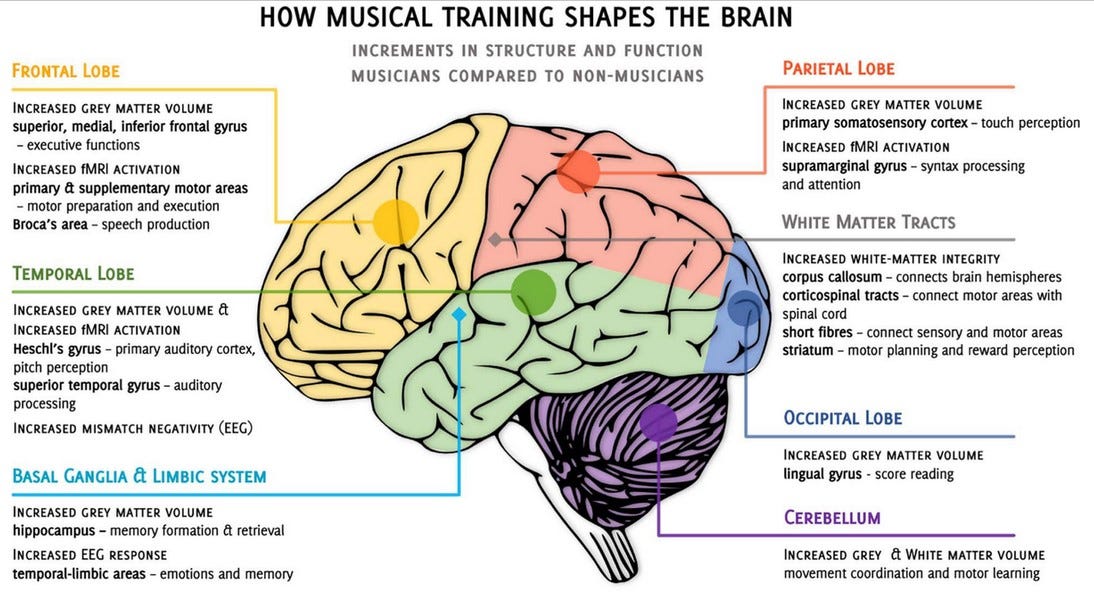
“So, when a child plays an instrument, they’re not just learning the music.”
Even if students don’t end up joining the band program, the brain training they’d get from music improves overall brain development – children’s working memory, cognitive flexibility, attention regulation and academic performance, are all systems academics depend on. Not because music replaces academics, but because it strengthens the underlying cognitive systems.
Music is also effective at building community. From the earliest days of society, music was something people did together. Whether it was singing, drumming or dancing together, music created a sense of shared identity and singing together lowers social anxiety and fosters a deep sense of belonging.
“Band,” said Brooks, “is one of the only places where students must simultaneously read a second language, perform advanced pattern recognition, monitor peers, regulate breathing, coordinate movement and respond in real time.”
That combination makes instrumental music one of the most cognitively demanding activities available in schools.
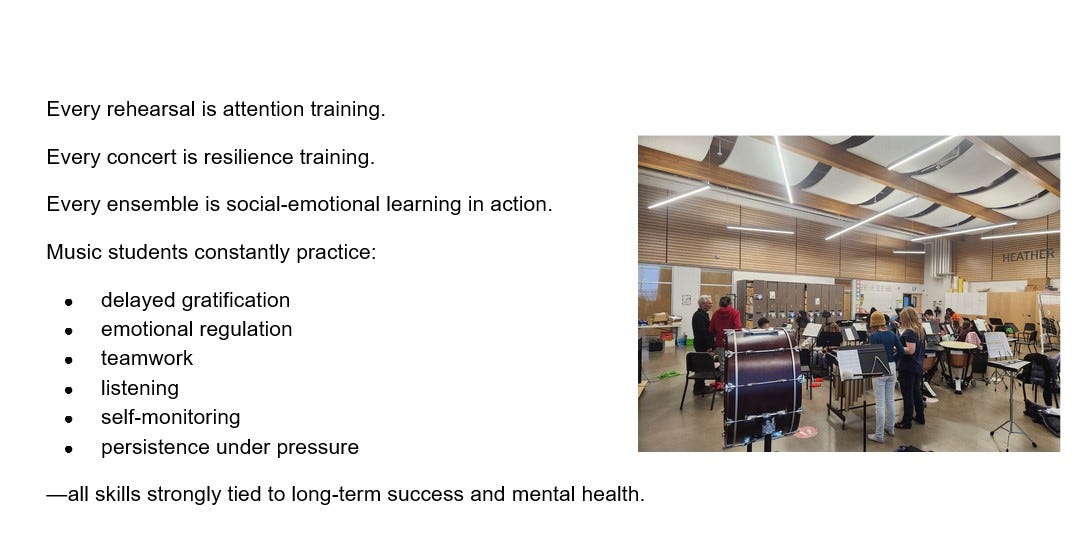
It’s why Brooks feels that music education in elementary schools is so important to students’ brain development, mental health and community resilience.
This push for early childhood participation in music programs marks the latest chapter in the decades-long evolution of music education in School District 60. Back in the early 1980s, the band program was strictly an offering for junior and senior high school students, beginning in Grade 8 at Dr. Kearney and Bert Bowes.
While the district eventually expanded its reach downward, more than a decade ago, by introducing the current elementary band program, Brooks argues that stopping at the standard Grade 6 entry point still misses the target.
Outside of that formal board presentation, Brooks pointed to a much more urgent developmental timeline. While the district’s beginner program kicks off at age 11, neuroscientists point to ages 8 to 10 – roughly Grades 3 to 5 – as the peak window where the brain most effortlessly maps musical literacy. Waiting until middle school, she warns, means the optimal structural window has already begun to close.
Brooks hopes that the district will continue to build on what it has and use music education to harness long-term success and mental health for all students in Peace River North.