Understanding City Council: How regular citizens shape our community
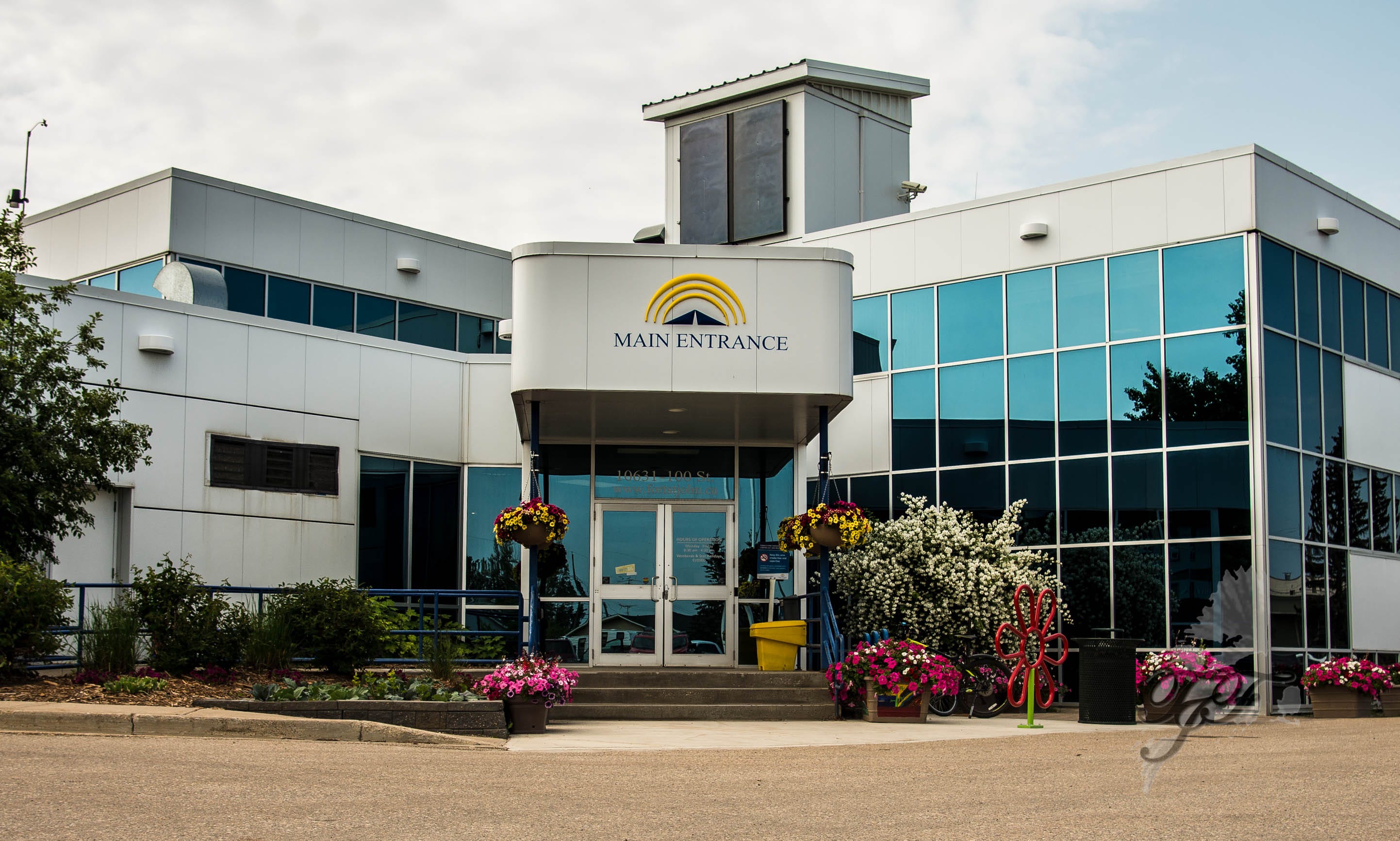
They’re your neighbours, your colleagues, people you see at the grocery and hardware stores. They’re just like you, seven regular people with families, friends, careers. But they’re also people with a desire to serve their community, to help make sure our community is a solid, well-run Energetic City worthy of the name. A place where every one of us can feel safe, thrive and be proud to call home.
That’s who the members of Fort St. John City Council are.
How does this group of regular people achieve this goal, while keeping the city fiscally responsible and transparent?
Recently, The Broken Typewriter sat down with three members of City staff to learn about how Council works.
Through the two main meetings – the Committee of the Whole (CoW) and regular Council – which are open to the public, council members discuss and give direction on the matters before them. They’re often routine, like the city’s annual budget where the city lists where all its money comes from and where they’re going to spend it. But there are also special things which have come out of a need that’s apparent in the community, concerns from the public, or directives from higher levels of government, such as the province.
A recent example is when the provincial government, in its efforts to respond to the housing crisis, told all municipalities to change their zoning bylaws to allow multiple dwellings on properties that had been zoned Single Family Residential. After much discussion by Council, the city came up with a way to comply, but to do it without changing the character of the city.
Council operations are all about discussion and direction. At the CoW, they discuss. At the regular council meeting, they give direction to staff to come up with options for a zoning bylaw which would meet the government’s requirements but also maintain the character of the city. Then that report comes back to the CoW for more discussion before going back to regular council for a decision.
The CoW is for discussion and where Council gets more information to better understand the issues on the topics in front of them.
It takes the place of a host of smaller committees, such as Finance, Recreation, Public Works and so on. Fort St. John used to have these committees, but during Jim Eglinski’s time as mayor the city had rolled all except Select Standing Committees into the Committee of the Whole. All councillors and the mayor sit on the CoW – the Peace River Regional District’s board of directors and the District of Taylor’s council operate the same way – but as Deputy Chief Administrative Officer Darrell Blades said the Committee of the Whole is for discussion only.
Committees only make recommendations to council, according to Corporate Officer Bonnie McCue.
“So, although all of Council is there, that’s not the table that they make the council decisions at,” McCue said.
It’s also at the regular council meetings that mayor and council bring up matters that they would like city staff to investigate. This is done through New Business and Notice of Motions.
Like the recent items brought forward by Councillors Jim Lequiere and Trevor Bolin. During the regular council meeting, they said they would be bringing a Notice of Motion at the next meeting – Lequiere’s about Backyard Hens, and Bolin’s about allowing the public to ask questions during council meetings. These Notices of Motion direct staff to investigate the various avenues for carrying out whatever idea council members have come up with, and to bring a report back.

