Site C powers BC, falls short of surging energy demand
Through CleanBC, the provincial government has set ambitious electrification and climate-saving goals for British Columbia. Is it enough to meet projected demand and the emissions reductions targets?
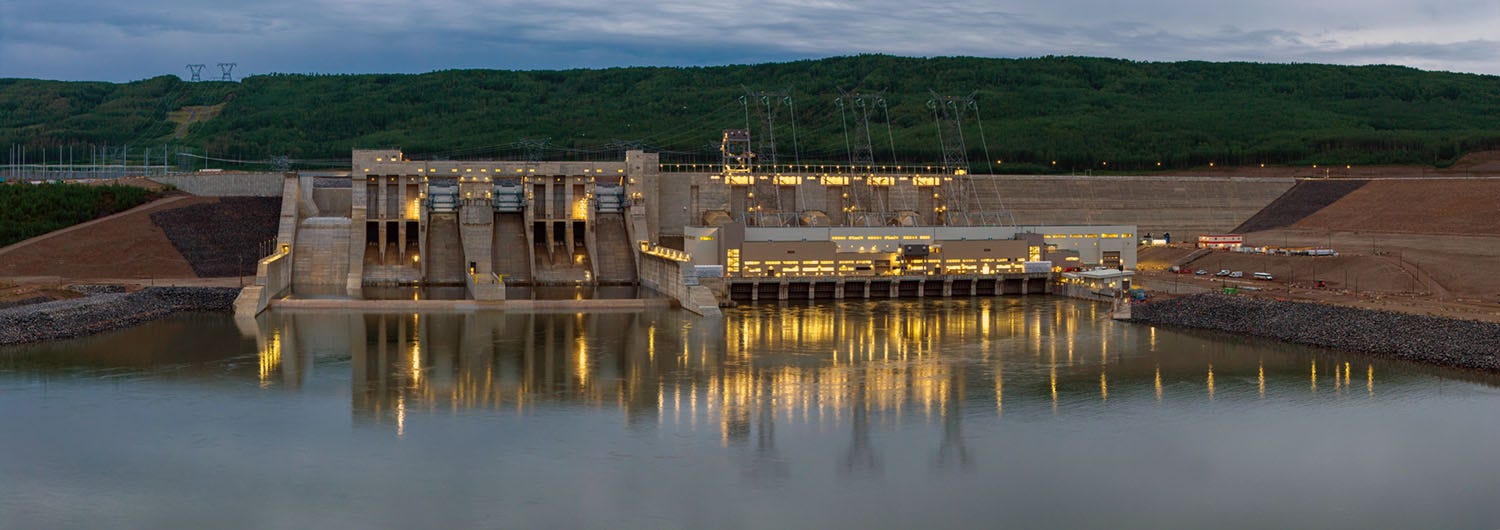
Over the last two months, BC Hydro’s Site C hydro-electric dam project on the Peace River near Fort St. John has passed its two final milestones and is now fully operational.
In July, the fifth generating unit at the dam was successfully commissioned and brought online, and BC Hydro officials expected the sixth and final unit to be up and running by the fall. The remaining construction work on the dam includes completing the powerhouse and generating station, paving access roads, and final equipment commissioning.
On August 9, BC Hydro announced that the final unit had been successfully commissioned, and the project is now capable of generating more than 1,100 megawatts (MW) of electricity, enough to provide reliable power to approximately 500,000 homes or 1.7 million EV’s. This addition represents an increase to the province’s electricity supply of about eight percent.
Each generating unit, capable of producing 180 MW of electricity, enough to power over 80,000 homes, according to BC Hydro. The units were brought online gradually, beginning in October 2024, with subsequent units coming online in December, February, March and the final two this summer.
Provincial Energy and Climate Solutions Minister Adrian Dix expressed his appreciation for the work of the “thousands of people who worked on Site C over the past decade,” adding that because of their hard work, “generations of British Columbians will benefit from reliable and affordable clean electricity.”
Charlotte Mitha, BC Hydro’s president and CEO said in the press release announcing the commissioning of the sixth generating unit, “Now that Site C is in full operation, it will serve our customers for the next 100 years and play a critical role in ensuring a stable and reliable electricity system.”
With the demand for electricity in British Columbia increasing, reliability and stability in the system are key to meeting the province’s future needs.
Govt Policies Fuel Surge in Demand
Prior to approving the project, electricity demand in British Columbia had stabilized by the early 2010s. Site C was seen as part of a larger plan to make the province self-sufficient in electricity by 2016, and potentially as a net exporter to markets such as the United States and Alberta. As a result of provincial policies such as 2007’s BC Energy Plan, followed by the Clean Energy Act in 2010. Profits from these exports were seen as a way to keep rates low and capitalize on trade opportunities.
At that time, growth in demand for electricity in the province remained modest, at approximately 5-10 percent, mainly driven by population increases and the demands of industry.


