
Service interruptions seeing downward trend: Northern Health VP Clinical Ops
Northern Health representatives are cautiously optimistic that things in the northeastern part of the health authority are improving, with respect to emergency room closures and staffing shortages.
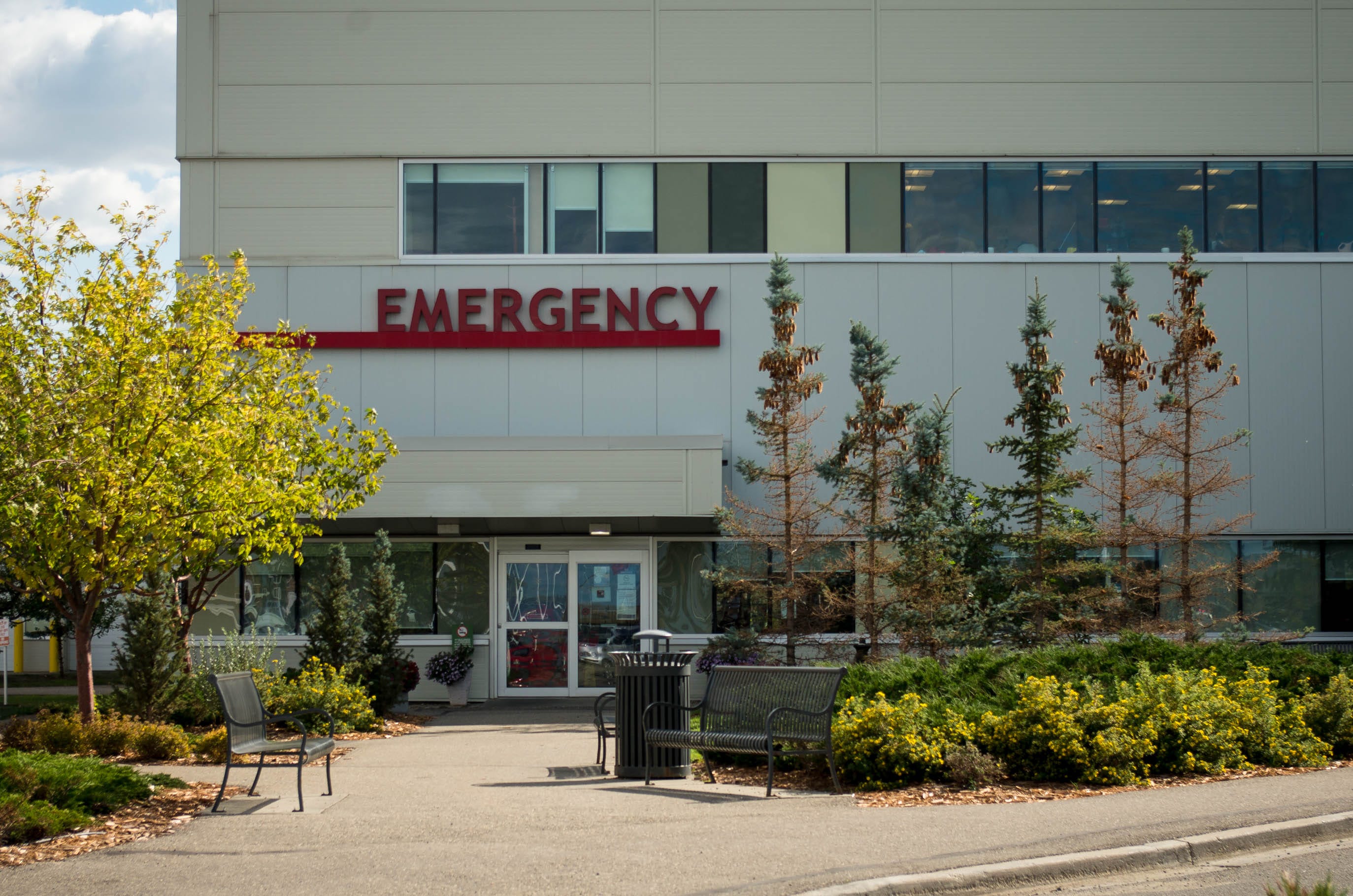
Lisa Zetes-Zanatta, the new VP of Clinical Operations for Northern Health admitted to the Peace River Regional Board of Directors on Sept. 12, that there was a higher number of ER closures in the health authority in 2024 than 2023. Looking at July and August of each year, in July 2023 there were 57 service interruptions, and 60 in August; in July 2024 there were 75, but only 53 in August this year.
This downward trend has Northern Health feeling cautiously optimistic. “It’s a trend I hope we continue to see,” said Zetes-Zanatta.
Along with Ronald Chapman, VP of Medicine for Northern Health, Zetes-Zanatta feels they are making progress towards having enough medical staff in place to ward off any more service interruptions and address the general shortage of medical professionals in the northeast.
In order to stabilize staffing in ERs, Chapman says they’ve been working with stakeholders, in particular the Doctors of BC, medical advisory committees and medical staff associations, to find ways to retain the existing workforce and ensure that everyone works together to recruit physicians up to the North.
“The remaining physicians are working very hard to try and cover the services.”
“It literally takes a community to recruit people successfully up to the North,” Chapman said.
Northern Health is also working with BC Emergency Health Services, leading to an increase in the number of critical care paramedics and advanced care paramedics in the region.
“We’ve seen an increase in the number of ambulances in the North, as well as some highly skilled paramedics that have been helping, especially during our service interruptions, to be available to help patients,” he said.
The highest vacancy rates in the northeast are in nursing (30%) and paramedical (31%), but statistics are also showing net gains in communities in the region, including 65 new staff in Fort St. John; 50 new staff in Dawson Creek; two in Chetwynd; and seven in Fort Nelson.
“Not only do we look at recruitment, we also look at our retention because retention is one of our biggest markers of success,” said Zetes-Zanatta.
In addition to increasing the number of paramedics, Zetes-Zanatta says Northern Health also has access to eight priority, Northern-only nursing agencies, and is working on implementing a provincial agency deployment office.
Instead of every health authority working separately, Zetes-Zanatta says that they’re working on pulling back agency use in Fraser Health and Vancouver Health where they have more access to healthcare professionals than the rural health authorities do.
“Agencies are used across the province, however what we are working with our health authority colleagues to help them realize is, we actually need North Island, Interior Health and Northern Health to work collaboratively, so that we can deploy to the areas where the risk is the greatest,” Zetes-Zanatta said.
“We can ensure that we’re building a system that deploys people who are willing to travel to the highest priority areas,” she said. “This is not as popular with Lower Mainland health authorities, but it is necessary to stabilize our rural and remote locations.”
As far as physician supply goes, Chapman said that there is a list of up to 400 locums, who can be called upon when they can’t fill a physician ER shift.
“Every week we distribute a list of the needs across the health authority and physicians basically respond to that, if they’re available to come up here during those times,” Chapman said.
He says Northern Health also has a number of locums – temporary substitute doctors – who come up to the North regularly, and about a week in advance of a potential service interruption, Northern Health is able to reach out to them to see if they can cover the shifts, as well as utilizing local physicians.
Other things the health authority has been working on are the systemic problems that are making it difficult to recruit doctors. Such as the Longitude Family Practice (LFP) model that is used to pay physicians. Compensation from LFP has outstripped the compensation from the Alternative Payment Plan (APP) model, and so physicians have gone to communities where they can use LFP model services.
Medical staff are functioning in a very competitive environment, and the result is that there are changes in the way physicians are working, Chapman explained. “[Although] we have a higher number of family practitioners than we’ve seen before, people are choosing to work very differently and as a result, they’re focussing more on their practices, and have drawn away from more acute care services like the ER.
“The remaining physicians are working very hard to try and cover the services.”
Northern Health is working with the Ministry of Health to try to rectify the gap between the two service models.
“I don’t want to have any service interruptions, period.”
Lisa Zetes-Zanatta, VP Clinical Operation, Northern Health
It is also trying to increase the number of physicians who can help in the ER.
“Fort St. John [for example], has quite a lot of family practice physicians, but only about five of them are rendering ER services,” said Chapman.
One of the things Northern Health is doing to try to increase the number of doctors available for work in the ER, is to pair interested physicians up with an experienced ER doctor for a few months, “so they can become comfortable in the ER again, and start working in the ER,” Chapman said.
Increasing the size of the cohorts for the Practice Ready Assessment program, is another way Northern Health is trying to ensure a more constant supply of family physicians. The 12-week PRA program enables foreign-born, foreign-trained doctors to qualify to practice in Canada. The number of spaces in this program has been increased from 30 to 90 per year.
“Out of that we got approximately 22 physicians,” said Chapman.
There were eight successful family practitioners in the spring intake, and they will be starting work this month. Dawson Creek and Fort St. John will benefit from these new physicians. There is another cohort starting in October, and those doctors will be ready to practice by February 2025. Chetwynd, Dawson Creek and Fort St. John are on the list for PRA candidates.
Zetes-Zanatta says that Northern Health is taking a seven-pronged approach to solving the issues in the northeast:
Hiring more staff;
Expanding Go Health BC and the rapid deployment of nurses through harmonization of deployment through other health authorities;
Expanding recruitment initiatives for nurses;
Focussing on retention, retaining existing staff while recruiting additional staff;
Adding to BCEHS resources to ensure access to emergency care;
Strengthening the provincial physician Emergency Department – locum program; and
Shifting compensation of physicians to support their retention in the North.
The ultimate goal, she said, is to try to get away from a full-stop closure in any of your areas, leading to a five to ten-hour drive in search of medical care.
Zetes-Zanatta has driven up through the region from Prince George and says she doesn’t want people driving through the Pine Pass in winter to seek care.
“I’ve travelled up to Fort Nelson in my car, so I actually understand your geography, because it’s very difficult for me to try to solve problems if my boots aren’t on the ground,” she said. “Now I understand what the impacts are to people who are there.”
“I don’t want to have any service interruptions, period,” Zetes-Zanatta said.