PRRD doubles down on public engagement sessions: Growth Strategy, Climate Resiliency Plan
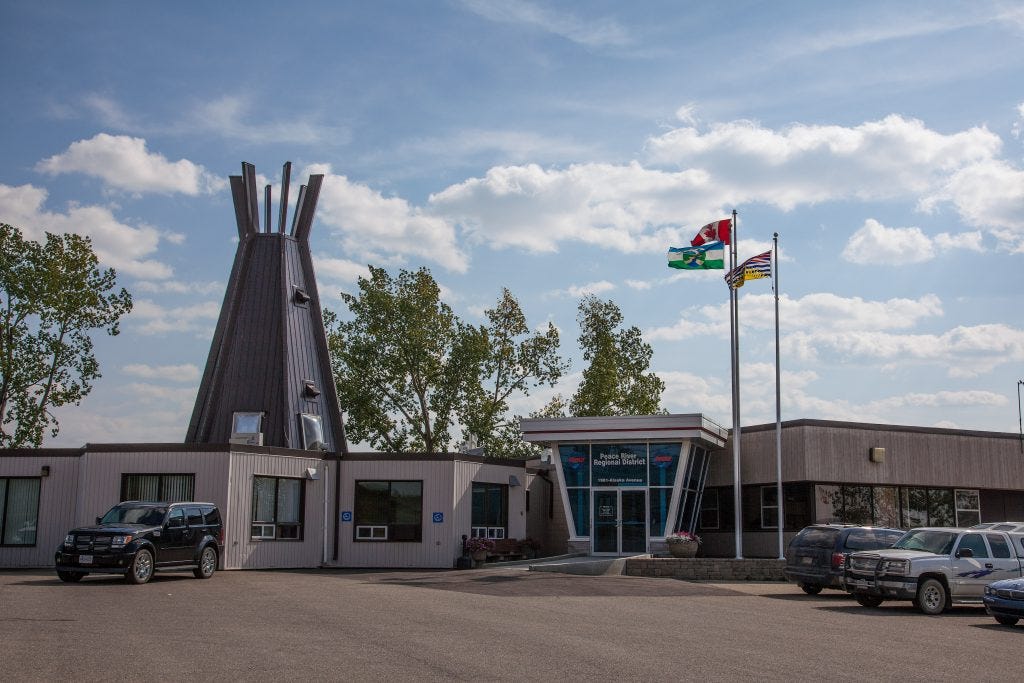
The Peace River Regional District kicks off its next round of public engagement sessions this Saturday, June 8 with Open Houses for the Regional Growth Strategy, and the Regional Climate Resiliency Plan.
Regional Growth Strategy
Development of the RGS truly began in November 2023 with a presentation to the PRRD board of directors by EcoPlan International, which has been engaged to assist the PRRD in the creation of its RGS. Ashley Murphey, PRRD’s general manager of development services characterized it as “kind of like a business plan.”
The RGS is intended to assist with long-term growth in the Peace, and to support coordinated region-wide planning between the PRRD and its member municipalities, over the next 20 years. As regional growth strategies are enabled by the provincial Local Government Act, certain items like employment projections, actions for key areas such as housing, transportation, services, parks, economic development and climate adaptation and resilience are required to be built into the framework of the RGS.
Once the RGS is adopted, all subsequent regional district bylaws should be consistent with the RGS. In addition, member municipalities will be required to update their Official Community Plans (OCPs) within two years of the adoption of the RGS to include a regional context statement. However, the RGS doesn’t regulate land use, that remains the domain of OCPs, zoning bylaws and building permit requirements.
Determining what goes in the RGS is largely based on feedback and input from residents of the Regional District and the member municipalities. For each phase of the project, there will be engagement, with the aim to build understanding and engage interest.
“As we transition into the second phase of our Regional Growth Strategy project, we’re eager to deepen our collaboration with all stakeholders,” said PRRD board chair and Area C director Brad Sperling.
“This project is a collective endeavour to shape the Peace region’s future. We’ve been listening to our community and look forward to hearing more. Public participation is key in this journey.”
To that end, the PRRD is hosting a series of Open Houses this weekend as part of Phase 2 of the project, starting with two in Fort St. John on Saturday, at the Farmer’s Market from 9 a.m. to noon; and the Pomeroy Sports Centre from 4 to 7 p.m. Although the RGS doesn’t apply to reserve lands, First Nations in the regional district are invited to participate in the engagement.
Regional Climate Resiliency Plan
This weekend also heralds the beginning of the consultation process for the Regional Climate Resiliency Plan which the PRRD is developing, in conjunction with the regional growth strategy.
The PRRD believes that residents, businesses, and communities in the Peace River region are being impacted by an increasing number of climate-related hazard events due to climate change.
Through the development of an RCRP, the regional district aims to produce its first ever strategic roadmap to assess the potential risks associated with natural disasters, and help residents, businesses and communities plan and prepare for the impacts of climate change throughout the region. The plan will focus on enhancing resilience to extreme weather events such as wildfire, floods, drought, and other climate-related risks.
In the backgrounder provided by the PRRD about the RCRP, it stated that the region is facing escalating climate change impacts, as evidenced by the 2023 Donnie Creek wildfire and a Level 5 drought that has continued into this spring. These events pose serious challenges to agriculture and ranching in the region.
The climate resiliency plan aims to address these and similar challenges and provide a clear direction to staff and elected officials in order to build a more sustainable and resilient future for the region, based on areas of importance to residents.
“The launch of the public engagement component of the Regional Climate Resiliency Plan reflects our commitment to enhancing resilience to extreme weather events such as wildfires, floods and droughts,” said Sperling.
“We are excited to invite residents in the region to participate in the first round of public engagement. Collectively, we can shape a future for our region that is more prepared,” he said.
RCRP Open Houses are being held throughout the region, in conjunction with the Open Houses for the RGS. In addition, as for the regional growth strategy, there is a survey that residents are encouraged to take, to help identify areas of concern. Questions cover all types of weather events, residents’ level of knowledge regarding reducing emissions, protecting and preparing one’s home in case of weather hazard events such a fire, flood, heatwaves, and drought.
For more information about the Regional Climate Resiliency Plan, check out the PRRDs Have Your Say page, which contains a link to the survey and an FAQ.


