Palliative Care Society offers a whole person approach to palliative care
Palliative care is specialized care, that helps to manage symptoms and improve patients’ quality of life at any age and during any stage of a life-limiting illness.
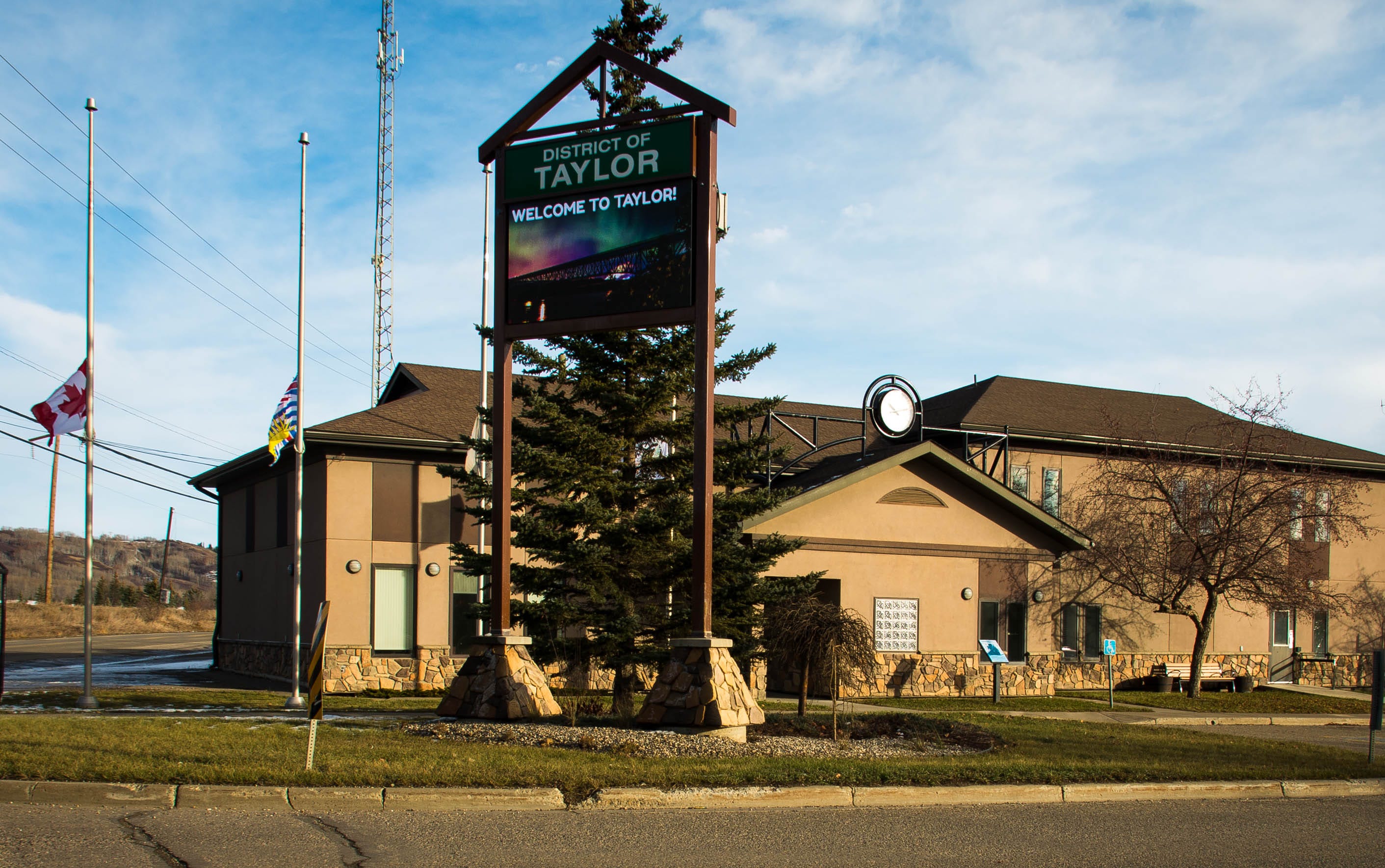
“A lot of times there’s misunderstanding about what is palliative care, hospice and what’s the difference,” Fort St. John & District Palliative Care Society executive director Judi Smart told Taylor Council. “Palliative care is an approach to care. A person can be receiving palliative care and curative care at the same time. Because it’s whole person care, it’s not just about the medical part of care, but it involves emotional support, spiritual support.”
Oftentimes, when a person is facing a tough medical diagnosis with a lot of treatments, receiving palliative care supports the whole process of going through their medical treatments, Smart explained.
Hospice care is end-of-life care, and that point people will no longer receive curative care, but they can still receive palliative care.
“That’s where the confusion comes in, because it’s both at the same time,” Smart said.
So, when the subject of palliative care comes up, people avoid the subject, because they think it’s end-of-life care and it’s too soon.
“But in fact, receiving that whole-person care can really help a journey back to health, because it’s not just a focus on the medical aspects.
The Fort St. John & District Palliative Care Society was established in 1997, and has grown a lot over the years, and since Covid the Society has added quite a few new essential services to offer to the community.
Among its services, Society volunteers visit with people who are palliative or terminally ill, and give respite opportunities to caregivers, they offer peer grief support, workshops such as Advanced Care Planning, and the home-based hospital bed program, Roberts said.
“Our staple service is visiting volunteers who go in and help the families and be there. It’s not just for the person that has the life-limiting illness, but it’s the families and friends as well,” said Michelle Roberts, executive director with the FSJPCS who together with Smart, spoke to Taylor Council on September 9 to raise awareness about palliative care.
From beginning of diagnostics to the end, FSJPCS is there, and Smart says it’s really about bringing up the quality of life through that process.
“We believe you live until you die, you don’t die before you die,” she said. “We want to encourage families and their loved ones to be able to navigate those waters with some tools and essential services that allows them to navigate it in their way.”
Support for caregivers is very important, because as Roberts says, sometimes caregivers can burn-out and it helps to have someone who can come and sit with their loved one for a few hours while they take a break.
“It helps to alleviate that stress.”
The Society trains volunteers twice a year to be visiting volunteers. Smart describes the volunteers as very compassionate people who just want to donate their time to sit with people and “hold space.”
The hospital bed program was a big endeavour, Roberts said. FSJPCS received a hospital bed from a member of the community, who pointed out that there was a need in the community to be able to bring a hospital bed into a family’s home so that their loved one can be with them in the home.
“We started out with three beds, now we’ve got 28 beds,” Roberts said. “We had a service that was delivering the beds and picking them up, but that service has since left us, and now we’re in kind of a lurch, looking for other means to get these beds delivered and picked up.”
They have a trailer for the beds, and if people who need a bed have access to a truck, they can pick up a bed, but FSJPCS is unable to deliver beds at this time.
“It has been unbelievably difficult. We are looking to hire,” said Smart. Dawson Creek has a moving company that does deliveries, sends out invoices and it works seamlessly, but the Society has been unable to find anyone who able to offer a similar service in the North Peace, she said.
Roberts noted that the Society has been given funds to help with the hospital bed program, so they have the means to pay a company to do the pick-ups and deliveries.
Every Thursday evening at 6:30 p.m., beginning September 19, FSJPCS offers a peer grief support program at Northern Lights College. This program is a little different from the previous program in that it’s no longer a drop-in, but participants must sign-up, for free, to the Broken Circle Peer Grief Support group through Eventbrite.
“The facilitators help the group to support each other, and the goal is, at the end, when they leave the 10-week program, they are each other’s support and are encouraged to be in contact with each other and have that peer support,” said Roberts.
The previous group worked really well, Smart said, adding that they’re not counsellors, they’re simply there to hold space for people who are in mourning, and give them resources and tools to help them through the process.
FSJPCS also offers Advanced Care Planning, which can be done at any time, to prepare for the event that a person is unable to speak for themselves, they can have their wishes already laid out. This includes things like setting up a substitute decision-maker to make medical decisions in the event that one isn’t able to speak for oneself, as well as Financial Planning.
The program takes people step-by-step through the process of figuring out their final wishes, while they can still speak for themselves.
“It’s just sort of going through the beginning of that process of thinking about what you might like, thinking about what you need to think about that you might never have thought about before, and talking about it,” Roberts said.
“These are very hard conversations, so it’s more of bringing a comfort to people and their families to be able to have these conversations,” said Smart.

