
Oil & gas emissions cap will negatively impact businesses: CAPP, CAOEC
While Canadians are experiencing an affordability crisis, government deficits are soaring, and investor confidence is decreasing, the federal government runs the risk of curtailing the energy Canadians rely on, along with jobs and the revenues the energy sector contributes to government coffers, with its federal emissions cap framework.
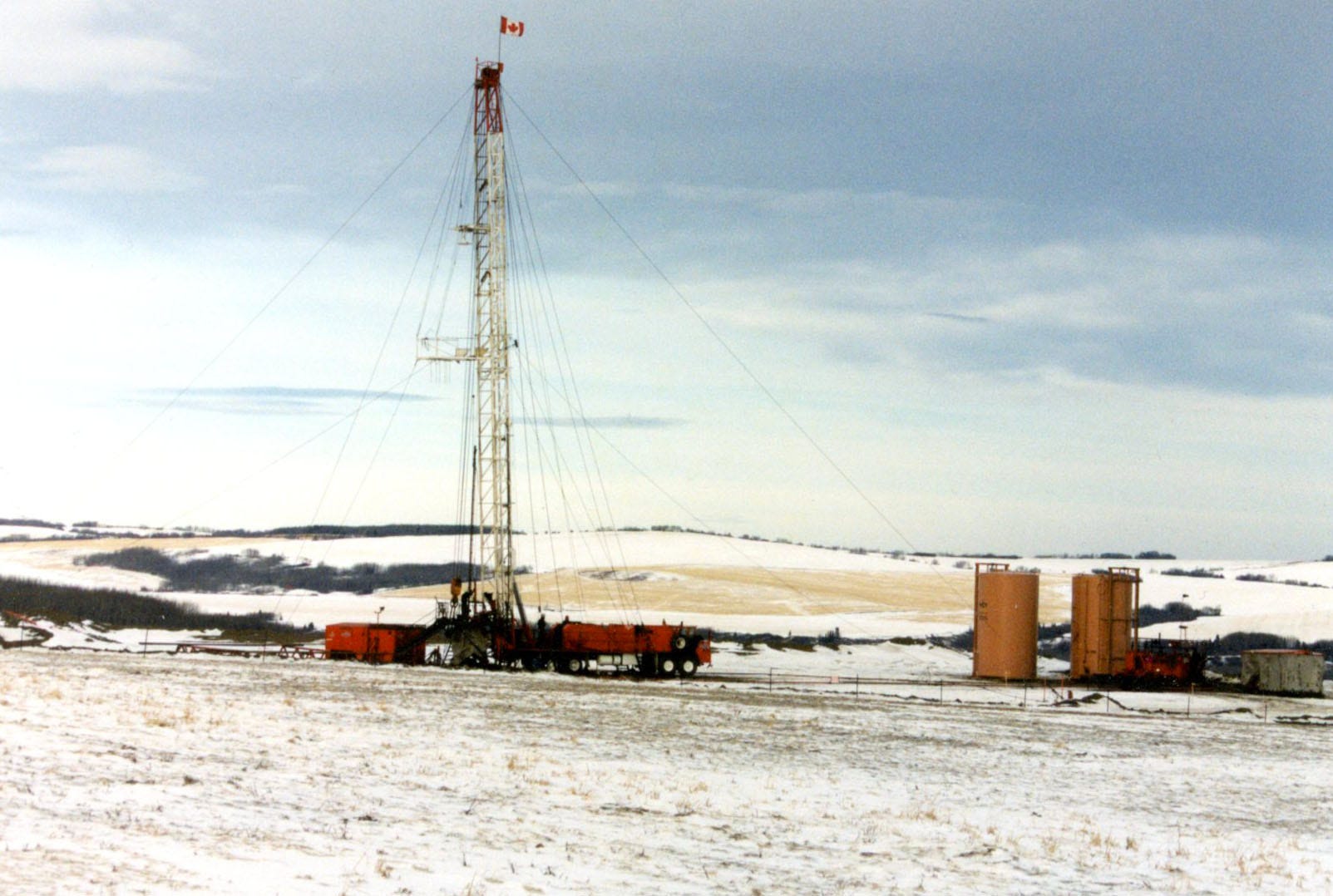
The Canadian Association of Petroleum Producers and the Canadian Association of Energy Contractors both released statements on Thursday, decrying the government’s announcement of the emissions cap, which both organizations say will have a negative impact on the businesses in Western Canada that support Canadian energy workers.
“The federal government’s emissions cap will hinder Canada’s ability to attract capital. It means higher energy costs and fewer jobs for Canadian energy workers,” said Mark Scholz, CAOEC president and CEO.
Lisa Baiton, CAPP president and CEO said in her statement that “CAPP believes the proposed policy risks triggering unforeseen socioeconomic consequences, not the least of which is likely to be higher energy prices for Canadians.”
In its announcement, the federal government stated that the emissions cap “would regulate upstream oil and gas facilities and would also apply to liquefied natural gas facilities. These subsectors represent the majority of emissions from the oil and gas sector – the upstream subsector represented 85 per cent of sector emissions in 2021.”
Given the long-standing carbon policies which have led to Canada being well on its way to meeting emissions targets, the emissions cap on the upstream oil and gas industry is unnecessary, according to CAPP. Canada’s commitment to energy security, and its adherence to stringent environmental regulations, is of tremendous value to those western countries which import Canada’s hydrocarbons.
The government’s own data shows that conventional producers have reached meaningful reductions in methane and carbon dioxide emissions, without a federally mandated emissions cap. British Columbia, however, does have an emissions cap, and producers have been successful in decreasing methane emissions by more than 50 per cent, according to the province’s 2023 Climate Change Accountability Report.
CAOEC says the federal government would be wise to use fiscal incentives like the United States does, instead of regulatory sticks. In the US, the Inflation Reduction Act has attracted capital and accelerated low-carbon innovation and technology in the energy sector at the expense of Canadian businesses and workers. The emissions cap will continue to erode Canada’s competitiveness with the US and negatively impact decarbonization efforts.
The future of the country’s workforce, energy security, and the success of Indigenous economic participation in the industry will depend on a dramatic change in the government’s approach.
“The current federal policy approach isn’t working as investment and jobs are leaving Canada. Stop working against us and start working with us. These misguided policies will negatively impact Canada’s future prosperity and opportunities for our workers,” said Scholz.