High on Ice melts into Winter Fest for 2026
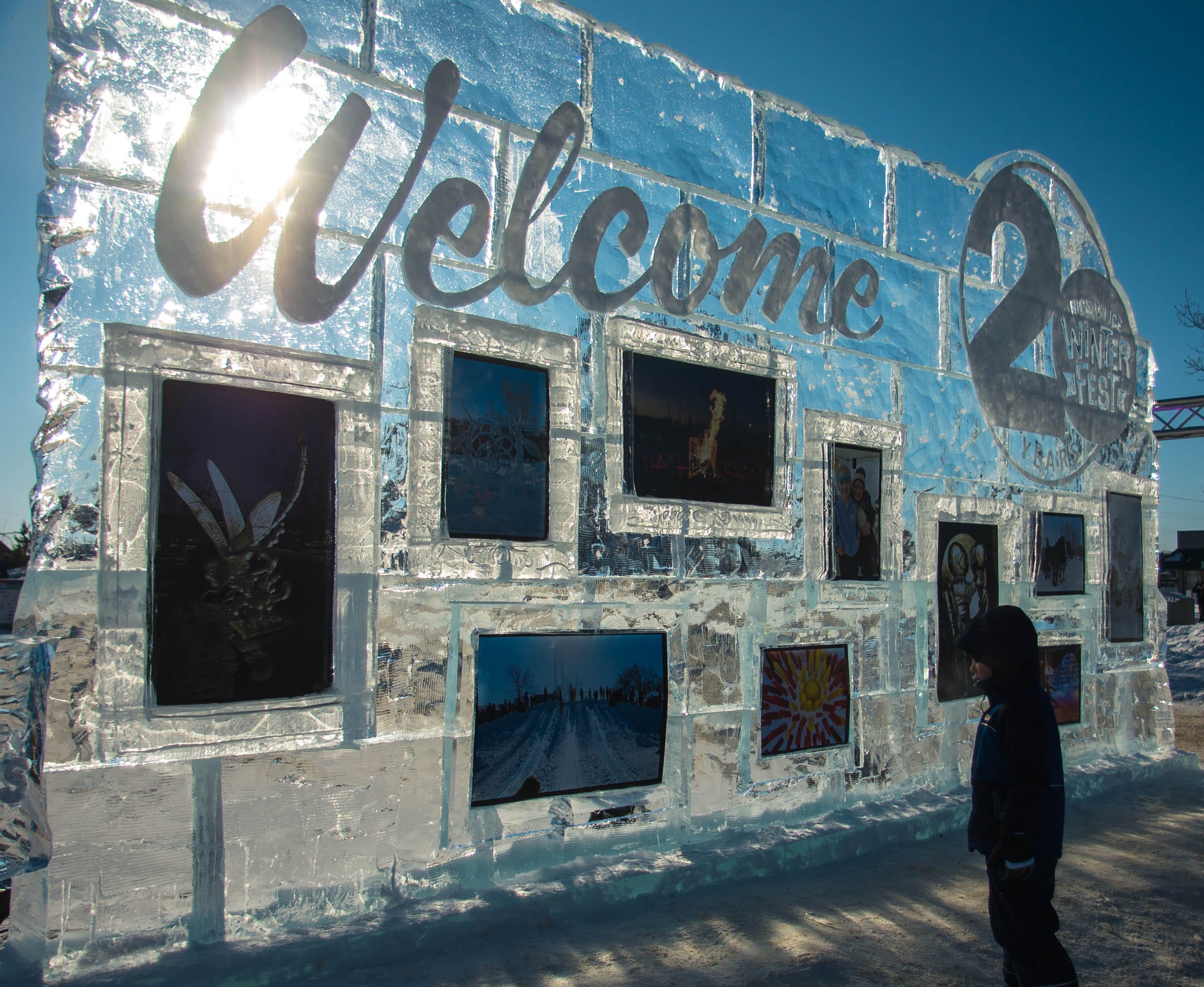
For 20 years, the High on Ice Festival has been the mainstay of winter activities in Fort St. John, not only drawing people from around the region, but also attracting high-calibre international professional ice carvers who create a myriad of incredible pieces of frozen art every February.
In the face of ever-rising costs and unpredictable weather, the city’s Department of Community Services has come up with a plan to create a more fiscally sustainable winter event that meets these challenges, so that the event can continue to bring enjoyment to the community, regardless of temperatures or snow levels.
Kylah Bryde, Director of Community Services introduced her department’s plan for the re-imagined winter festival at the September 8 Committee of the Whole meeting, with Recreation Programmer Marissa Jordan, and Program and Services Manager Heidi Avanthay.
The current High on Ice Festival has several high-cost components, including hosting about eight professional ice carvers annually; procuring and delivering large ice blocks from Ontario; engaging a site contractor for setup, maintenance and tear-down. The contractors are typically on site for up to three weeks, with carvers working for around ten days.
The highest costs for this year’s festival were $76,000 for the carvers; $83,000 for staffing; $52,000 for the site contract; and $50,000 for the ice blocks.
“All city departments contribute to this event, September to February, sometimes even longer,” said Jordan. “Planning has to start early, so we have obviously already started.”
Revenues were $50,000 in sponsorship donations; $70,000 in sponsorship in-kind donations; and $25,870 in grants and programs.
To improve the long-term sustainability of the winter festival, Bryde’s department has proposed some adjustments designed to lower costs and increase efficiency, while maintaining public enjoyment and the festival’s value to the community.
“What we’re proposing is potentially reducing and reallocating some resources, planning an event that can sustain the weather perhaps a little differently, planning an event that’s sustainable for future years,” said Bryde.

