
Govt funding doesn’t cover the needs of Northern school districts
SD60 strives to maintain high level of service to students
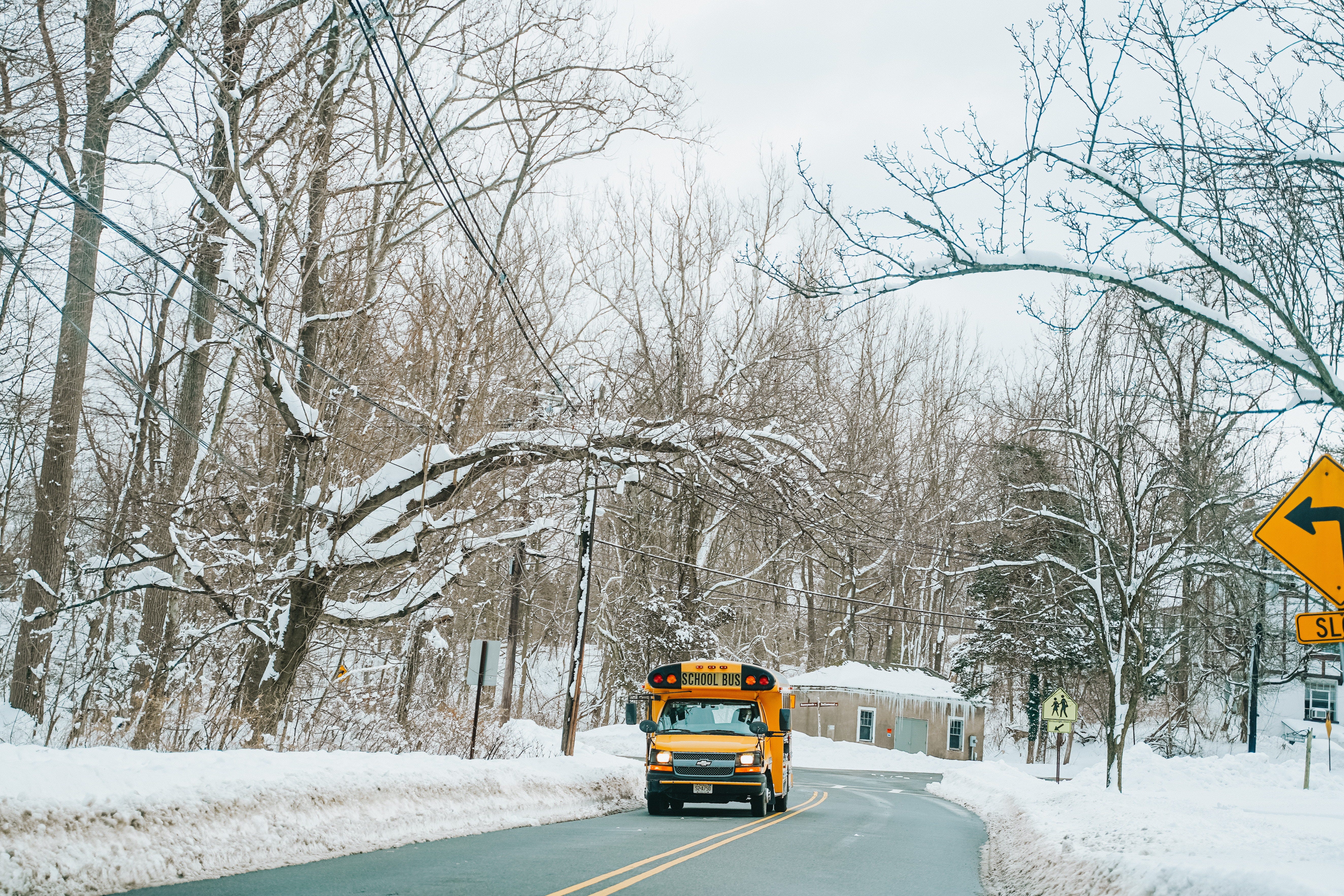
Students throughout School District 60, whether in rural or urban schools, deserve equity of opportunity in education. The provincial government’s current funding practices do not provide this, School District 60 Board of Trustees Chair, Helen Gilbert, told the Province’s Select Standing Committee on Finance. During May and June, the Committee heard submissions throughout the province, in preparation for the BC Government’s 2024 Budget.
The geography and climate of SD 60 lead to higher costs in both transportation and operations, Gilbert told the Committee. Recruitment and retention of teaching staff is also a challenge, as is getting assessments for students with diabilities such as autism.
Transportation costs for the 2021-22 school year were 5.53 per cent of the operating budget, while the provincial average was 1.6 per cent. Fourteen per cent of the District’s funds were spent on operations, 3 per cent higher than the provincial average.
“We are expected to reduce our carbon footprint to meet climate change goals,” Gilbert said. “Seventy-eight per cent of our buildings have a poor or critical Facility Condition Index. The Annual Facilities Grant does not allow the necessary upgrades to improve energy conservation.”
The state of the buildings leads the District to spend more on heating during the winter months, costs which are further increased by high carbon taxes.
For years, recruitment pressures have impacted the equality of education in the North. Gilbert said that Peace River North has been highlighting this concern for many years. Finally, a Northern Recruitment Pilot project was created, which has helped four rural communities with their recruitment issues. But there needs to be Ministry follow up on the findings.
Currently, there is no Ministry funding to support the recruitment efforts needed.
“We would like to see the Ministry and BCPSEA work to develop a plan of differentiated salary points, based on the current recruitment challenges a district faces,” she said. “Northern Health has recruiting incentives, we need similar ones for education. Alberta offers the Northern Student Bursary, that involves a three-year return service commitment in a northern community.”
Despite their best efforts, SD 60 is facing staffing shortages, using teachers on Letter of Permission, and non-certified Teachers Teaching on Call to fill the gaps.
“As of May 21, we had 209 FTE days where schools had to use back up plans that involve shuffling non-enrolling teachers, administration or educational assistants from their regular assignments to fill in as TTOCs,” Gilbert said. “This shuffling takes a systemic toll and there is a loss of service to students that can’t be made up.”
The Ministry of Education and Child Care continues to add expectations to school districts, without increasing funding to support the required expectations.
“Our 2023-24 budget allocations do not reflect inflation and corresponding increases in delivery and supply costs,” Gilbert told the Committee. “We especially see this in our transportation and custodial departments. Percentage increases for standard bus parts are as high as 39 percent. No part, no bus.”
“The latest shock is that we did not get full funding for our exempt staff, and we'll be looking to cover a $213,000 shortfall in order to give them the same wage increase that our union staff receives,” she said.
School District 60 is determined to give its students the best education possible, within the budgetary constraints.
“Given all the budgetary pressures we face, we hope to maintain existing levels of service to students, but it is increasingly difficult to do so,” Gilbert concluded.