From Locked-Down to Open Season: Peace Region 7B Moose & Caribou hunting proposals
Hunters speak now - Deadline: Friday, Feb 13

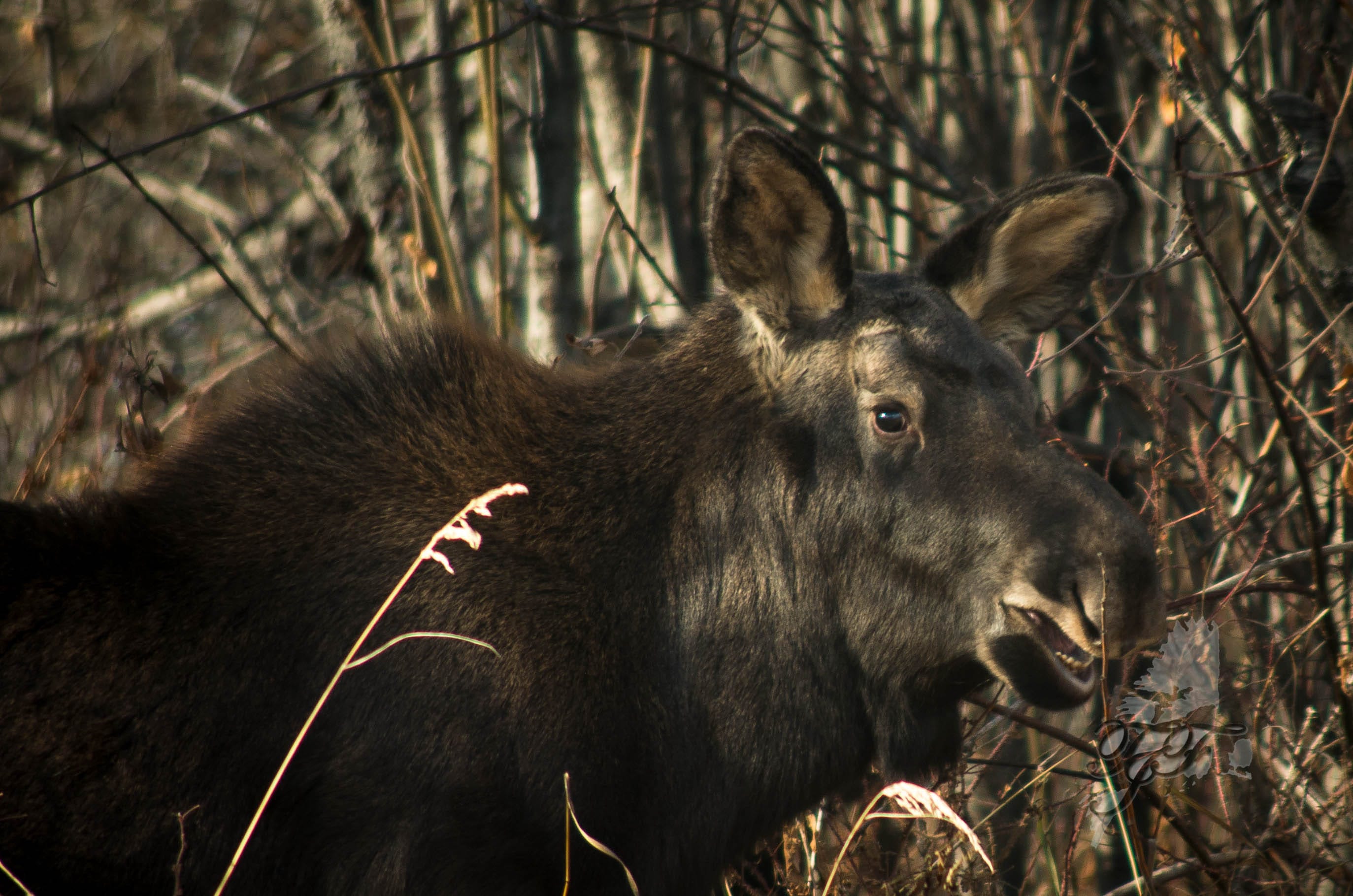
CHARLIE LAKE – The BC Wildlife Federation has submitted proposals to reopen Caribou and Moose hunting to licensed hunters, after the regulations were changed in 2022.
“In terms of hunting regulations, the big ones up here are proposals around moose and caribou,” Gerry Paille, BC Wildlife Federation Regional President, Provincial Chair of the Wildlife Committee said in an interview with The Broken Typewriter.
In 2022, regulations were changed and limited hunting for moose and caribou, in the Peace Region 7B. Now stakeholders have made submissions to the government requesting that the regulations be changed to bring back open hunting for moose, and limited entry for caribou.
“Stakeholders got together and were invited to submit some proposals, and the BC Wildlife Federation got together with other stakeholders; biologists, section heads and WLRS [Ministry of Water, Land and Resource Stewardship] here in Fort St. John. The BC Wildlife Federation submitted some proposals – one was to reopen the caribou season for the northern herds under a Limited Entry Draw system,” Paille said.
Open hunting with antler restriction, which was the regulation prior to the 2022 changes, Paille explained is where you basically “buy a tag and go”, but you can only harvest a caribou bull with 5-points or more on the antlers.
The 2022 changes were made following a directive related to the Blueberry court case, when it was decided that the number of hunters in half, and harvest needed to be cut in half for licensed hunters.
“Our harvest was typically around 1,200 to 1,300 a year before the restrictions came in, so the target was 600 or so in the whole region. It’s clear from the government’s data that what they implemented, overachieved. The more recent data shows it was cut by two-thirds instead of half.”
The BCWF has proposed reopening the hunt for northern herds which seem to have stable or increasing populations and aren’t under any caribou recovery initiatives.
“It seemed to make sense to at least reinstate limited entry for those herds. The harvest was really low; it was really low previous to the 2022 shutdown. On average, in the previous five years the average harvest was 11 caribou a year, they were all bulls with that antler restriction. That would really not impact the herd populations at all.”
Hunting regulations are set up to be conservative, Paille said, so that they don’t impact general populations. For example, when cow and calf populations are decreasing, that negatively impacts the general population.
“When those calves are being killed by predators, that’s a problem for the population but hunters aren’t doing that. Hunters up here haven’t harvested cows in a long time.”
Paille added that where there has been wolf removal, as part of caribou recovery programs, the moose populations have significantly increased. He thinks the government agrees that “there’s more than enough moose in those areas to support First Nations and licensed hunters’ sustenance needs.
“Then we also sent in some proposals around moose too, which went from Antler-Restricted General Open Season to Limited Entry, mostly in the southern part of the region. [we’ve requested that] some of those go back to Antler-Restricted General Open Season. We’ve left some of the management units around First Nations communities on LEH [Limited Entry Hunting], make the LEH for any bull, rather than an antler restriction.”
The public has until Friday, February 13 to submit feedback on the proposed changes, and BCWF urges hunters in favour of the changes to make their approval known, which you can through the government’s govTogetherBC website.
“We encourage people to not only make comments on proposals that they’re opposed to, the government gets a lot of comments on what people are in opposition to, but they also need to hear about proposals that people like. So, we encourage hunters and our members to do both, provide positive feedback on regulations that they like, and negative feedback on proposals they don’t like. And provide rationale,” Paille said.
“Government needs to know that the regular people are supporting these changes.”
The proposed changes are listed in detail on the hunting and trapping regulation website.
