
Don’t poke the bear – Hudson’s Hope residents concerned about bylaw update
Hudson’s Hope residents turned out en masse to the March 4 Committee of the Whole meeting to express their concerns about the proposed update of the Property Maintenance Bylaw.
The bylaw, which has been on the books in some form since at least 1991, caused concern when the District of Hudson’s Hope added sections regarding the removal of fruit trees and bushes to prevent bears from coming into the community to forage.
Citing their right to self-sustenance – growing their own food on their properties – several residents spoke against the proposed changes. In particular, the suggestions from law enforcement contained in the report that residents weren’t complying with requests to remove “attractants such as fruit trees and berry bushes, and that failure to do so, is causing an increase in bear activity and creating concerns for public safety,” bothered residents.
Larry Edgar, who has lived in Hudson’s Hope for 25 years, said that his family practices self-sustenance because they “believe that raising livestock and organically growing your own produce is both smart and healthy.”
Edgar also felt that the council was laser-focussing on the potential negatives, and said, “We never deliberately allow our food to accumulate on the ground, that would be wasting our hard work.”
According to residents, council and law enforcement were overlooking the obvious, the forest fires and drought, which decimated the bears habitat. The presence of fruit trees, gardens and even fallen fruit weren’t to blame for the bears coming into the municipality.
Certainly, they come for a couple of weeks a year because there is food and they’re hungry, said resident Elaine Rhymer, but there have always been bears in the area. “They’re not here to hurt us, or eat our kids, our kids or anything like that,” she said. “We live on the north side of the Peace River, which is a wonderful place for growing, it’s a lovely warm spot. They know that as well as we do.”
Ross Tremblay agreed, adding that he believes the statement in the report is false. “Failure to do so did not cause the increase in activity. There was a trifecta of events – the Battleship Mountain fire and the extreme loss of habitat; the Stoddart Creek fire towards Fort St. John was the largest habitat loss in the history of British Columbia; and the biggest fire, where the boars live, on the islands right below town,” he said. “Not only that, but we had a drought. Last year was an exceptional year.”
Tremblay, who has lived in Hudson’s Hope since 1966, said that when he was a kid, the bears were everywhere, that bear sightings were a common occurrence.
“When you see a bear, you go around. You don’t poke the bear,” he said. “If there’s a bear in your yard, give them their room and they’ll leave, no problem.”
“That’s the solution – don’t poke the bear.”
The other part of the report that disturbed Tremblay was the comment from Conservation officer Sergeant Brad Lacey that in other communities with similar problems, the solution has been “local council enacting bylaws that compel residents to clear their attractants.”
“Compel is coercion, and that’s illegal,” Tremblay said. Threatening residents with fines for apples on the ground is excessive, he added.
“We don’t need that. Everybody that’s got fruit trees has managed them,” he said. “It’s a non-issue as far as I’m concerned. We live with the wildlife because we’re in the northern boreal forest.”
Residents also took issue with what they felt was a lack of notice from council about the proposed changes. Several said that they only found out about the bylaw changes on Thursday or Friday, and it was scheduled to be given third reading and adopted at Monday’s meeting.
“None of what’s in this bylaw is a done deal,” said Hudson’s Hope mayor Travous Quibell. “The quickest this would happen is a third reading today and adoption at the next meeting.”
The bylaw amendment is entirely due to the issue the District had in the fall with nuisance animals in the community, Quibell said.
“I recognize that it wasn’t just a Hudson’s Hope issue, that it was due most likely to a large extent to the fact that we had forest fires everywhere and we had drought everywhere,” he said.
People don’t realize the volume of calls that come into the RCMP during bear season every fall, said Hudson’s Hope detachment commander Corporal Erich Schmidt.
“It’s always the same topics, garbage, berries, fruit trees and gardens, stuff that was left unmanned and left out to attract the animals. And then obviously you get the conflict between dangerous wildlife and people,” Schmidt said.
The bylaws, he felt, are a work in progress and a step in the right direction. The proposed bylaw doesn’t change their role as bylaw officers, and doesn’t give the RCMP any more powers, he said. Schmidt explained that the District relies on the RCMP when it comes to public safety when it comes to bears, as they often find themselves helping the conservation officer service, which has a large area to cover with minimal staff.
“Last year was the worst year, and we’re expecting it to be just as bad this year, with everything that’s been mentioned, the fires, drought and so on,” he said. During this past bear season, which runs from August to October, Schmidt said they had 79 files regarding bears. Ninety percent of those were where bears were attracted to garbage, apple trees and fruits that were not being picked.
“Some people were feeding the bears purposely. We gave out five tickets for attracting dangerous wildlife and had 13 encounters where bears charged people. Nine bears were dispatched last year,” Schmidt said.
“Public safety is our number one concern.”
To keep the public safe, council, the RCMP and the Conservation Officer Service felt the reasons why bears are coming into town in the first place needed to be addressed.
Long-time resident Arne Anderson noted that residents’ gardens and garbage are not the only things that tempt bears into the municipality.
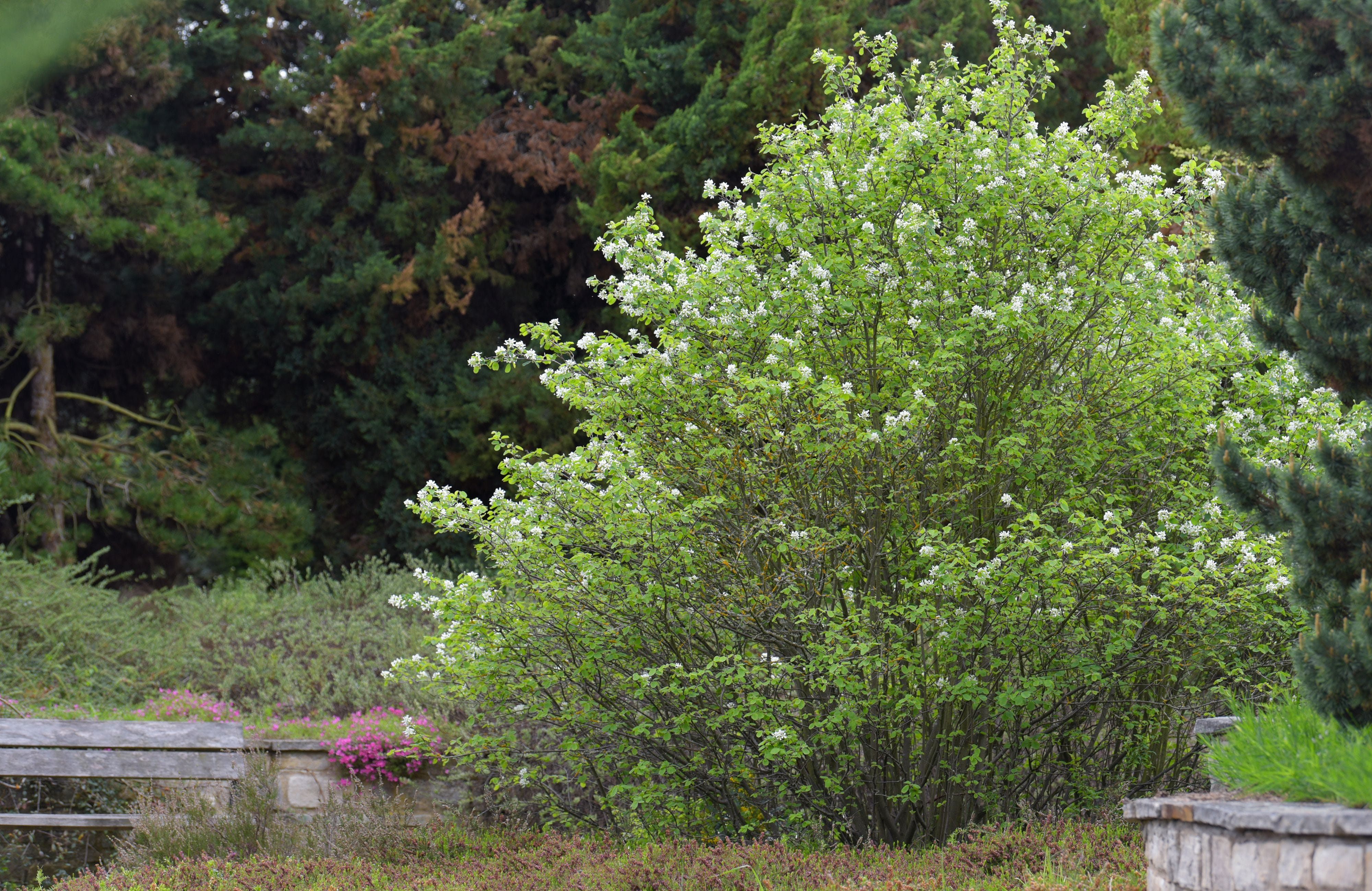
“There’s piles of Saskatoon berry bushes all along the highway and riverbanks,” Anderson said.
Councillor Tina Jeffrey, who said she appreciated the fact that residents came to the meeting to have a conversation with council, agreed with Anderson that the Saskatoon bushes do need to be cleaned up.
“This [bylaw] isn’t actually directed at private residences, it’s directed at the owner/occupier of any land within the District, so it would apply to us as well,” Chief Administrative Officer Crystal Brown explained.
“I think it’s only fair that we hold ourselves to the same standard,” Quibell said.
In addition to the Property Maintenance Bylaw, the Garbage Collection Amendment Bylaw was also revised and presented for third reading at Monday’s meeting. Unlike the first bylaw, this one was received more positively by the public, who agreed that bear-proof garbage options are needed.
Councillor Tashana Winnicky suggested the District look at bear-proof garbage containers as a potential upgrade option for residents, something that is compatible with the hands-free collection system.
At the regular council meeting which followed the COW, Winnicky moved that the three bylaws which were scheduled for third reading – the Property Maintenance Bylaw, the Garbage Collection Amendment Bylaw and the Municipal Ticket Information System Bylaw – all be deferred to a later meeting, so that council can collect additional input from the public.
Councillor Jeffrey agreed and suggested that council publicize the decision and “ask for input and solutions. If people want to create a committee on their own to discuss solutions, then they can give that back to us as input.”
It was decided to defer further discussion and reading of three bylaws to May 6, and council will explore a variety of ways to ensure that the public gets accurate information, including an FAQ section on the District’s website, as council says there was a lot of misunderstanding surrounding the bylaws and the process.