Backyard chickens issue kicks off 2025: FSJ lone holdout in the Peace
New Year’s 2025 was hardly over when the debate over whether the city should allow chickens in town flew up onto its roost on Facebook once again.
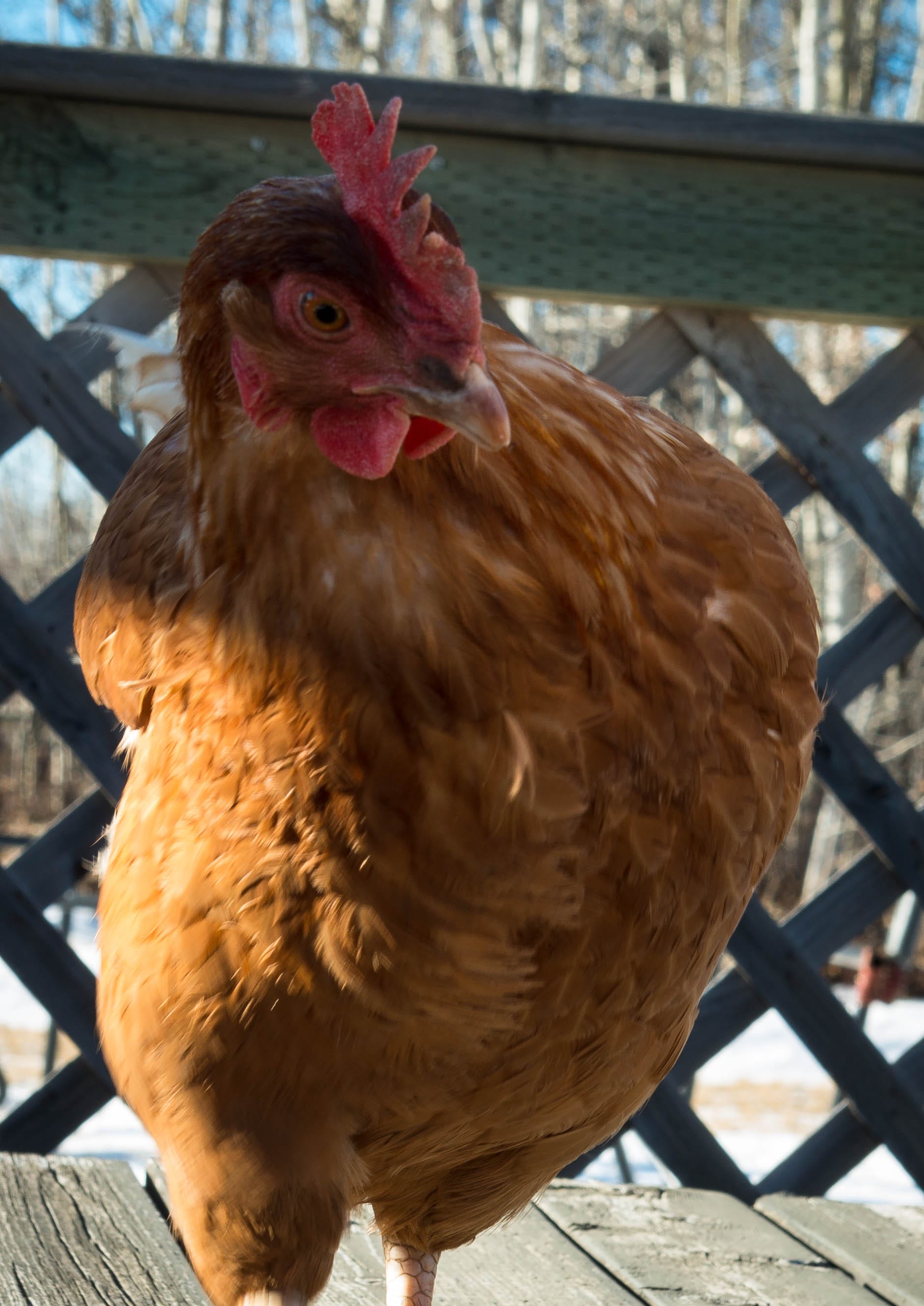
Fort St. John city council must be feeling rather hen-pecked with the repeated crows for residents to be permitted to have backyard chickens in town.
As usual, the reply from the city on Facebook is to state that the issue came before council in 2017 and the North Peace SPCA couldn’t handle chickens if they needed care, so council decided against allowing city residents to keep chickens.
Eight years have passed since 2017. Clearly, the issue hasn’t flown the coop, and the interest is still there.
Several of the 190 comments on the latest request for urban chickens noted that both Hudson’s Hope and Taylor allow hens. Which SPCA branch do they use?
Fort St. John is the only community in the region that doesn’t allow residents to keep hens. I say hens, because roosters are noisy. In fact, that’s why Taylor and Hudson’s Hope have specifically prohibited roosters, because constant crowing can become a nuisance.
Taylor allows up to six hens, as does Dawson Creek, while Tumbler Ridge allows up to eight. Hudson’s Hope allows goats as well as hens in the municipality.
In May 2019, then-city councillor Becky Grimsrud brought forward an expression of interest to council regarding keeping hens in the city. Interest at the time was such that Grimsrud said a local contractor had offered to build a fully to-code coop for the SPCA, free of charge.
The request was brought to council again in February 2023 through a letter to council from a resident.
In a September 2023 article about urban agriculture in The Broken Typewriter, Mayor Lilia Hansen said that the increased costs to taxpayers to change the pound-keeper agreement with the city and the additional bylaw officers needed to include hens under the Animal Control bylaw, was not welcomed by residents when presented at various townhall meetings.
“For us to allow anything other than domestic animals within the city boundaries would require a significant addition to the pound keeper agreement with the SPCA, and an increase to bylaw enforcement staff numbers; hence increased taxation by all residents to cover those additional costs,” she said.
However, Hudson’s Hope and Taylor bylaw officers have said their communities have more problems with cats than they do with chickens.
Prince George allows poultry on properties in some areas of the municipality that are larger than half an acre, and up to 25 chickens can be kept on such a property.
Even Vancouver allows backyard hens as way to sustainably produce food and increase food security. As in the communities in the Peace, Vancouver hens must be registered and registration is free, but only up to four hens are allowed.
For a city whose Official Community Plan states that its “geographic location provides a significant opportunity to promote great community food security,” and that “healthy food networks and access to affordable, healthy food are key building blocks of a healthy, active community,” Fort St. John appears remarkably reluctant to embrace the concept of backyard hens.


People have cited the smell and noise of chickens as a reason to refuse to allow residents to keep backyard hens. Keep the coop clean, same as you would clean up after a dog or cat.
Yes, hens can be a bit noisy – as residents of Area C we have chickens and one hen in particular likes to tell everyone at full volume every time another hen has laid an egg. But it doesn’t go on all day like a rooster. So, allow only hens in town, and watch out for spokeshens.
Like any animal, chickens do escape occasionally. But is that really a reason to ban them? They’re not dangerous and it’s not like they roam the streets in marauding flocks, shoplifting worms and pushing people into the streets.
Clearly the demand for backyard hens is not going to flap its tiny wings and fly away. I suspect proponents are going to keep scratching and pecking away at the city until they’re allowed to keep hens.


