Affordability First: Taylor Council holds the line on residential taxes amid $680K shortfall
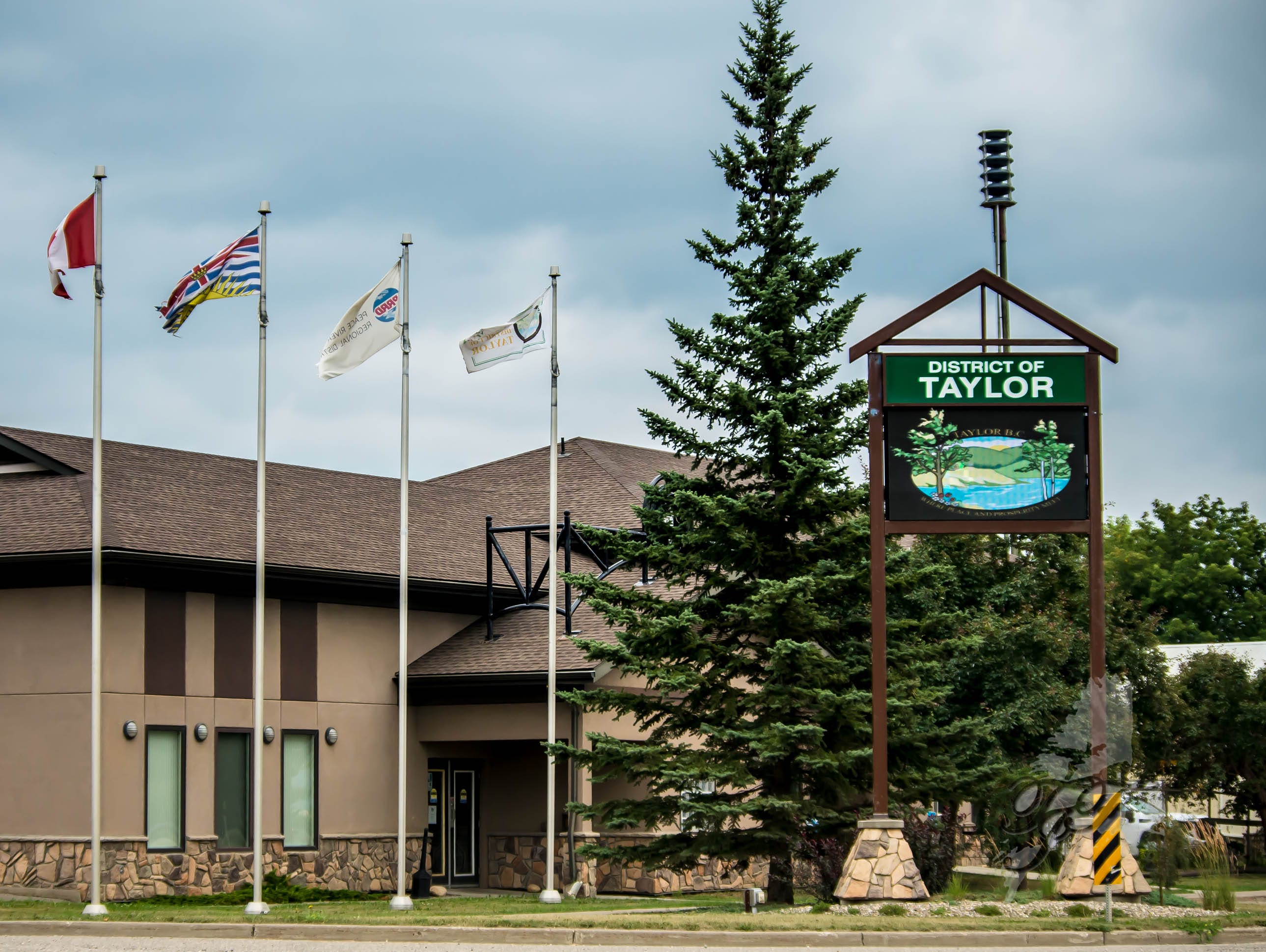
TAYLOR – Caught between a shortfall in the draft operating budget and higher BC Assessments values across the community, the District of Taylor is working to find a way to balance the budget while keeping property taxes affordable to its residents.
In his report to the February 2 Committee of the Whole, Chief Administration Officer Ryan Galay presented five taxation options to address the $684,177.30 shortfall, none of which will do more than slightly alleviate the problem.
What these five options will do, is place a greater burden on Taylor’s residents.
Everyone knows that assessments in Taylor went up considerably, Galay pointed out. If Council were to increase taxes on top of the average 9 percent increase in property assessments – which means even if Council changes nothing, property taxes will still go up 9 percent from last year – it could increase hardships for residents who are already feeling the pinch.
“What percentage do we feel the people who are paying taxes can handle,” Mayor Brent Taillefer asked. “Because no matter what all these equations are, as a homeowner, how much do you feel the people can withstand?”
Councillor Desirae Graziano replied that “people are stretched, they’re already at their breaking point.”
The options for taxation for the 2026 operating budget were to collect the same amount of tax dollars from residents as in 2025, an option that would result in a greater budget deficit than presented.
Options 2 through 5: To increase the tax rate by 2 percent; 3 percent; 3.5 percent; and 4 percent respectively.
Councillor Betty Ponto was not in favour of collecting the same amount of tax dollars as in 2025, noting that as costs and property values continue to rise, the taxes will eventually have to go up and it “will be a big hit to taxpayers.”
In compiling the draft budget, Galay said they’d factored in a 3.5 percent increase, but that was before the BC Assessments were released, and that “nine percent increase changed everything.”
“We don’t control the assessments,” Taillefer pointed out.
In the discussion that ensued, Council tentatively decided that by setting the tax rate at the roughly 10 percent average increase from property assessments – using the example of a $300,000 home, now assessed at $330,000 – would result in an increase of $10 per month in taxes, or $120 for the year.
Other changes discussed were increasing the major industrial tax rate by 4 percent, light industrial by 8 percent, and recreation by 2 percent, resulting in a deficit of approximately $460,000.
That remaining shortfall will have to be balanced through reductions in services and perhaps wages.
Taylor staff will bring back an updated draft budget and options for reducing the shortfall at the February 17 meeting.

